
The Importance of Modern Amenities
The Importance of Modern Amenities
Amenities may seem subtle, but they are a decisive detail in the hotel industry. They shape the guest experience more strongly than many hoteliers expect. Shampoo, shower gel, soap and lotion are not just care products – they express style, quality and identity. Today, guests expect more than a clean place to stay. They look for a coherent overall concept in which every element – from the interior design to the care items – forms a harmonious picture.
Modern amenities have changed significantly in recent years. In the past, function and cost were the priority. Today, sustainability, aesthetics and sensory experience matter most. More and more travellers pay attention to the products they use on their skin and to the values a hotel conveys. Whether a hotel cares about environmental responsibility is often visible in the bathroom. Guests unconsciously notice whether shampoo and soap are high-quality, pleasantly scented and environmentally friendly in their packaging. As such, amenities can become a silent brand ambassador – or a disruptive factor if they are not selected with care.
For hoteliers, this means that care products are not a minor expense, but an important part of brand identity. When chosen strategically, they help differentiate from competitors, enhance guest wellbeing and visibly demonstrate sustainability.
Sustainability as a Standard, Not a Trend
Sustainable amenities are no longer a niche. They stand for environmental responsibility, efficiency and quality. Single-use mini bottles are increasingly seen as outdated – not only because they generate massive amounts of plastic waste, but also because they are perceived as wasteful. Modern guests, especially business travellers and younger holidaymakers, increasingly demand ecological responsibility.
The industry is responding with new concepts. Refillable dispenser systems filled with 5-liter containers have become standard in many properties. They reduce plastic waste, simplify logistics and save costs in the long term. Solid care products are also experiencing a comeback. Solid soaps and shampoos are compact, long-lasting and plastic-free. Packaging is often made from recycled paper, plant-based materials or recycled PET.
However, sustainability is more than material choice. Ingredients are increasingly sourced from organic farming or local suppliers to reduce transport distances. Many manufacturers use formulations with aloe vera, shea butter, essential oils or plant extracts that are gentle on the skin and avoid harsh surfactants. Vegan and cruelty-free products have also arrived in the hotel industry. They meet the expectations of modern guests without compromising quality or performance.
A sustainable approach demonstrates responsibility, strengthens brand image and can become part of a holistic environmental concept. For hotels aiming for environmental certifications, choosing the right care products often plays a central role.
Guest Experience, Fragrance and Design
Care products in the hotel room have an immediate impact on the senses. A pleasant fragrance can trigger emotions, create memories and enhance wellbeing. Studies show that guests often remember the scent of a lotion or soap more strongly than the room design. This makes amenities a powerful tool for anchoring positive impressions.
The trend is towards natural, subtle fragrances. Notes of coconut, citrus, lavender or herbs feel fresh and calming at the same time. They communicate purity and naturalness without being overpowering. At the same time, the fragrance should match the brand identity. An urban business hotel benefits from neutral, clear aromas, while a seaside resort may prefer fresh, exotic scents.
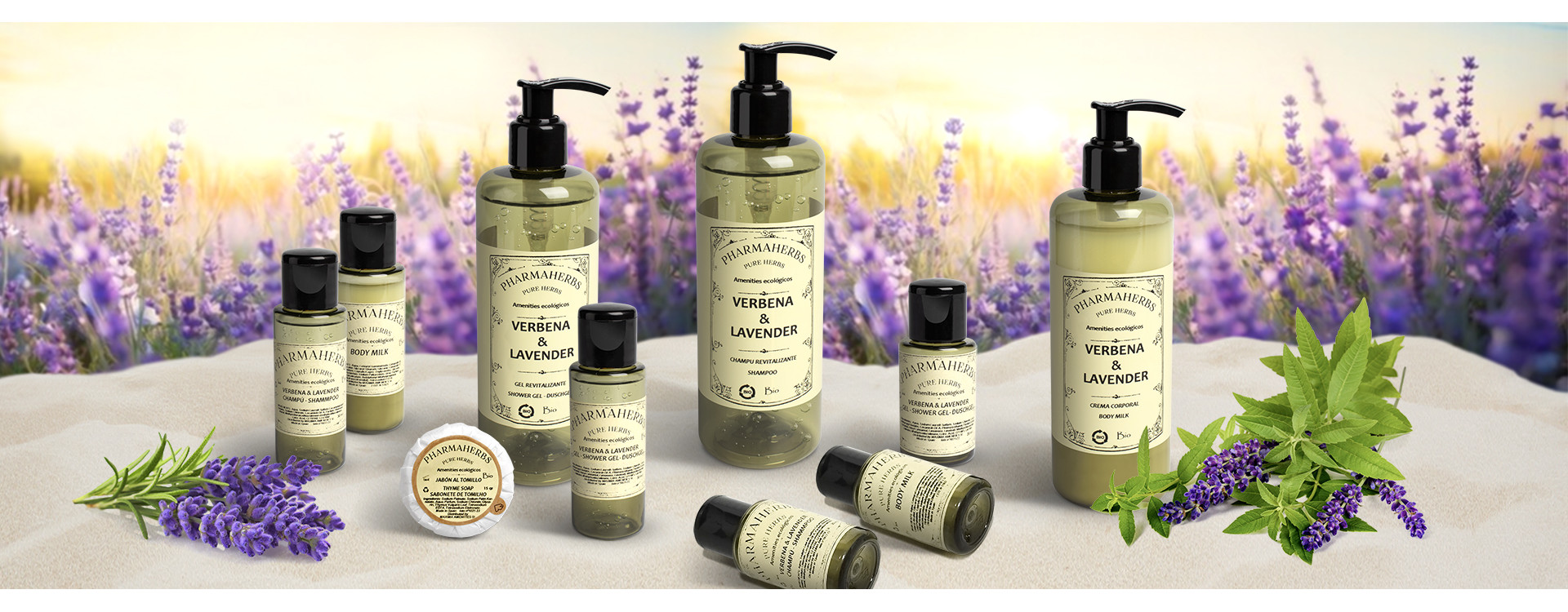
Design also plays an important role. Uniform dispensers, clean lines and subtle colours create calm and order in the bathroom. Products with a simple, professional appearance appear more premium than colourful mini bottles. The dispenser system should be functional, hygienic and easy to maintain. Transparent containers can help keep track of filling levels.
The presentation of the amenities strongly influences the overall impression. Cleanliness, consistency and aesthetics are essential. Guests appreciate products that are visible, easy to access and well maintained. Even small details – such as neat arrangement or a discreet note on sustainable ingredients – can make a difference.
Economic Advantages of Sustainable Systems
Beyond ecological reasons, modern amenities also make economic sense. Refillable dispensers are more cost-efficient in the long run than single-use products. Although the initial investment is higher, operating costs decrease significantly due to lower packaging, logistics and waste.
Storage requirements also decrease. Large containers take up less space, and restocking can be planned more efficiently. Housekeeping time is reduced as well, as there are no individual bottles to replace.
Another advantage is the positive perception by guests. Sustainable practices often lead to better online reviews because they are associated with quality, responsibility and modernity. Many travellers are willing to pay more when they see that a hotel acts responsibly. This creates a competitive advantage that can directly impact occupancy and customer loyalty.
At the same time, a well-designed concept improves internal communication. Employees can be proud of working in a sustainable property. This increases motivation and identification – an often underestimated bonus.
Quality, Responsibility and the Future.
Amenities today are far more than a functional detail. They are part of brand communication, an expression of hospitality and a signal of sustainability. Guests want products that smell good, feel pleasant on the skin and can be used with a clear conscience.
Those who choose natural, eco-friendly and aesthetically appealing solutions strengthen both guest wellbeing and their own market position. Sustainable amenities create long-term security. They reduce costs, conserve resources and convey values that are increasingly essential in modern hospitality.
Care products in the hotel room may be small in size, but their impact is significant. They often determine whether a stay will be remembered. A conscious, sustainable approach to amenities is therefore not a trend, but an essential part of modern hospitality culture.
Posted in:
Sample Category
Related posts
 The Most Important Hotel KPIs – Practical Metrics That Drive Real Profit
Occupancy Rate: Why Full Rooms Mean Nothing If Your Pricing Is Wrong.
Many hoteliers celebrate high occupancy, but...
Read more
Zero Waste Ideas for Businesses and Hotels Radical Efficiency Without Compromise
Zero waste is not a trend but a duty for competitive businesses and hotels. These ideas show how waste is eliminated...
Read more
Benefits of Cleaning Kits for Vacation Rentals: Efficiency, Hygiene, Guest Satisfaction
Cleaning kits establish clear workflows, ensure consistent hygiene and reduce operational effort for hosts. They...
Read more
Was sind Amenity Kits? Bedeutung & Einsatz im B2B erklärt
Was sind Amenity Kits und wofür werden sie eingesetzt? Eine kompakte Erklärung zu Bedeutung, Inhalten und Nutzung im...
Read more
Was gehört zum Hotelbedarf? Überblick für Hotels
Welche Produkte zählen zum Hotelbedarf? Ein kompakter Überblick über Produktbereiche und Einsatzfelder im...
Read more
Leave a comment